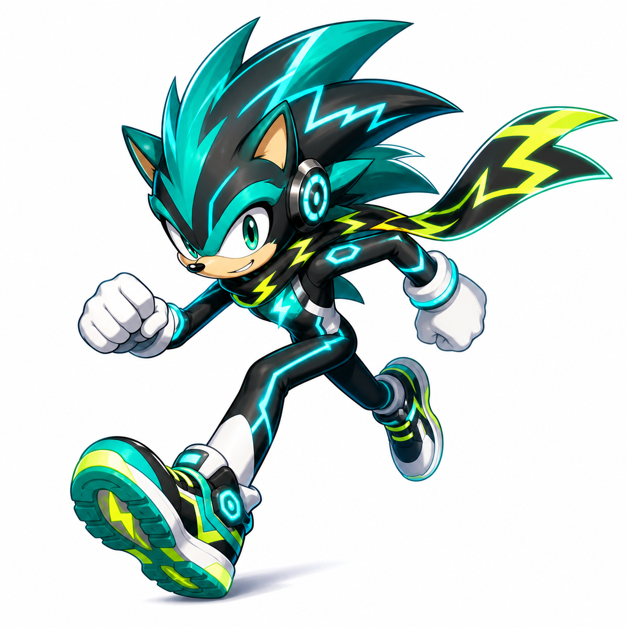
Neon Circuit Runner
Sonic OC Maker prompt: original high-speed mascot hero, teal quills, white gloves, neon running shoes, lightning stripe scarf, energetic pose, clean anime concept art.
Sonic OC Maker helps you design original Sonic-style OCs with crisp silhouettes, bright colors, expressive gloves and shoes, signature accessories, and a guided path from idea to stronger character draft.
Use these Sonic OC Maker examples as starting points for your own prompt. Each one shows a different role, palette, motion cue, and accessory idea for an original OC.
Sonic OC Maker prompt: original high-speed mascot hero, teal quills, white gloves, neon running shoes, lightning stripe scarf, energetic pose, clean anime concept art.

Sonic OC Maker prompt: original sunny mascot character, golden fur accents, hover skates, bold wrist guards, bright orange and aqua palette, dynamic forward motion.
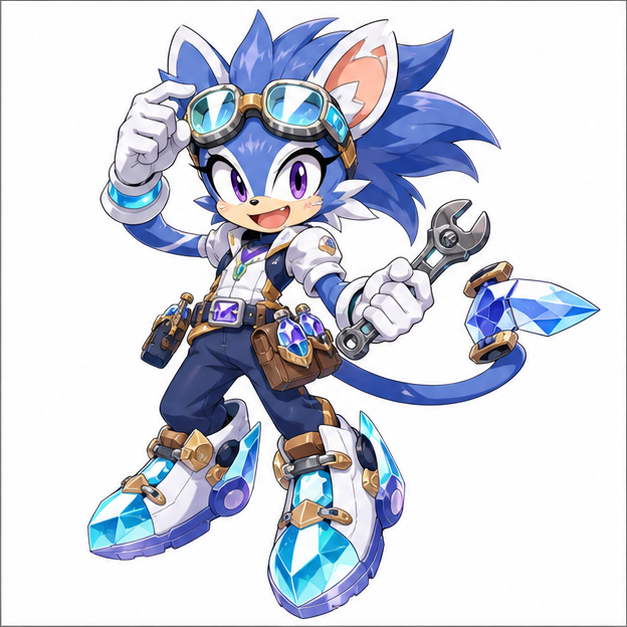
Sonic OC Maker prompt: original tech-themed mascot OC, clear goggles, gem-powered shoes, compact tool belt, sharp silhouette, playful confident expression.
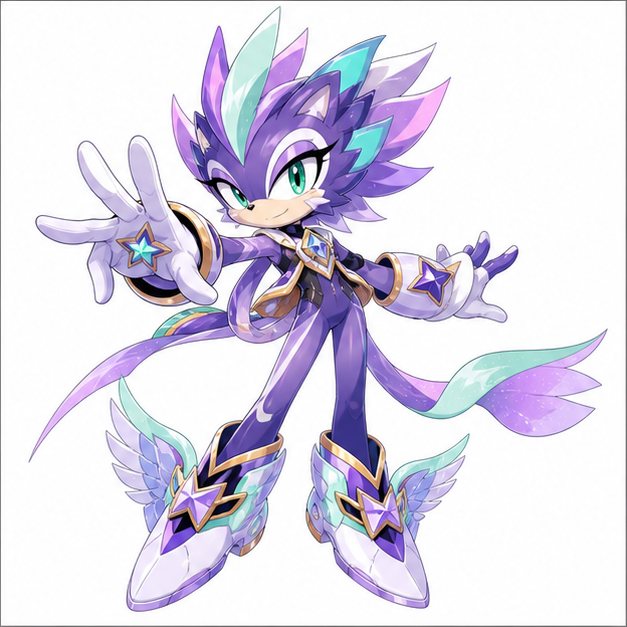
Sonic OC Maker prompt: original guardian mascot, purple and mint palette, wing-shaped shoes, star gloves, confident stance, clean full-body character design.
Sonic OC Maker is a focused generator for original Sonic-style OC concepts.
Sonic OC Maker is a dedicated character generator for original high-speed mascot heroes. A normal image prompt can create a colorful animal character, but this tool gives creators a more focused place to describe speed, shape language, gloves, shoes, facial attitude, motion lines, and a clear color rhythm. The goal is to help you move from a vague idea to a readable Sonic-inspired original character concept without starting from a blank generic prompt.
The page is built around the work a creator actually does: compare examples, write a prompt, choose a species inspiration, tune the silhouette, pick a palette, decide on shoes and gloves, add one memorable accessory, generate a first draft, then improve it. Sonic OC Maker keeps those decisions visible so the result feels like your own OC instead of a random fast cartoon animal.
Use Sonic OC Maker when you want a first draft for an original character concept, profile image, roleplay avatar, game-inspired mascot sheet, or story cast idea. A strong Sonic OC Maker prompt should describe the character role, species inspiration, body shape, speed style, color palette, glove or shoe design, personality, and one signature accessory. The more you name your own design choices, the easier it is to get a character that feels speedy, readable, and distinct.
Sonic OC Maker works best as an idea partner. Generate one version, judge the outline and palette, keep the strongest idea, then revise one trait at a time. You can turn a simple “blue speed hero” idea into a clearer OC by changing the role, adding a tool belt, choosing mint and gold accents, shaping the shoes, or giving the character a courier, scout, inventor, or guardian purpose.
Prompt guidance
Sonic OC Maker works best when your prompt gives the generator specific character decisions instead of a vague style request.
Choose a courier, racer, mechanic, scout, inventor, guardian, skater, or explorer role. A role gives the OC a reason for its shoes, pose, props, and expression.
Describe ears, quills, hair rhythm, tail shape, jacket cut, scarf movement, gloves, and footwear so the character reads clearly even as a small thumbnail.
This generator is strongest when you change one variable at a time: ears, shoes, color accent, jacket cut, tail shape, tool belt, hover skates, or emotional expression.
A strong Sonic OC Maker workflow starts with identity, then adds motion, silhouette, color, and safe refinement.
Tell the generator whether the character is a courier, scout, inventor, guardian, racer, mechanic, skater, explorer, or rival. The role gives the design a purpose before details compete for attention.
Give the prompt a movement cue: lightning dash, hover skating, rail grinding, crystal sprint, solar glide, magnetic jump, or ring trail. Motion words help the pose feel active.
Use the page to test ears, quills, hair rhythm, tail shape, gloves, shoes, cuffs, scarf, goggles, or jacket cuts. A good mascot OC should be recognizable even as a small thumbnail.
Ask for original colors, original accessories, and a new personality. Broader mascot design language gives Sonic OC Maker room to create a fresh character identity.
Open each Sonic OC Maker decision point when you want to improve a prompt without making the character feel overloaded.
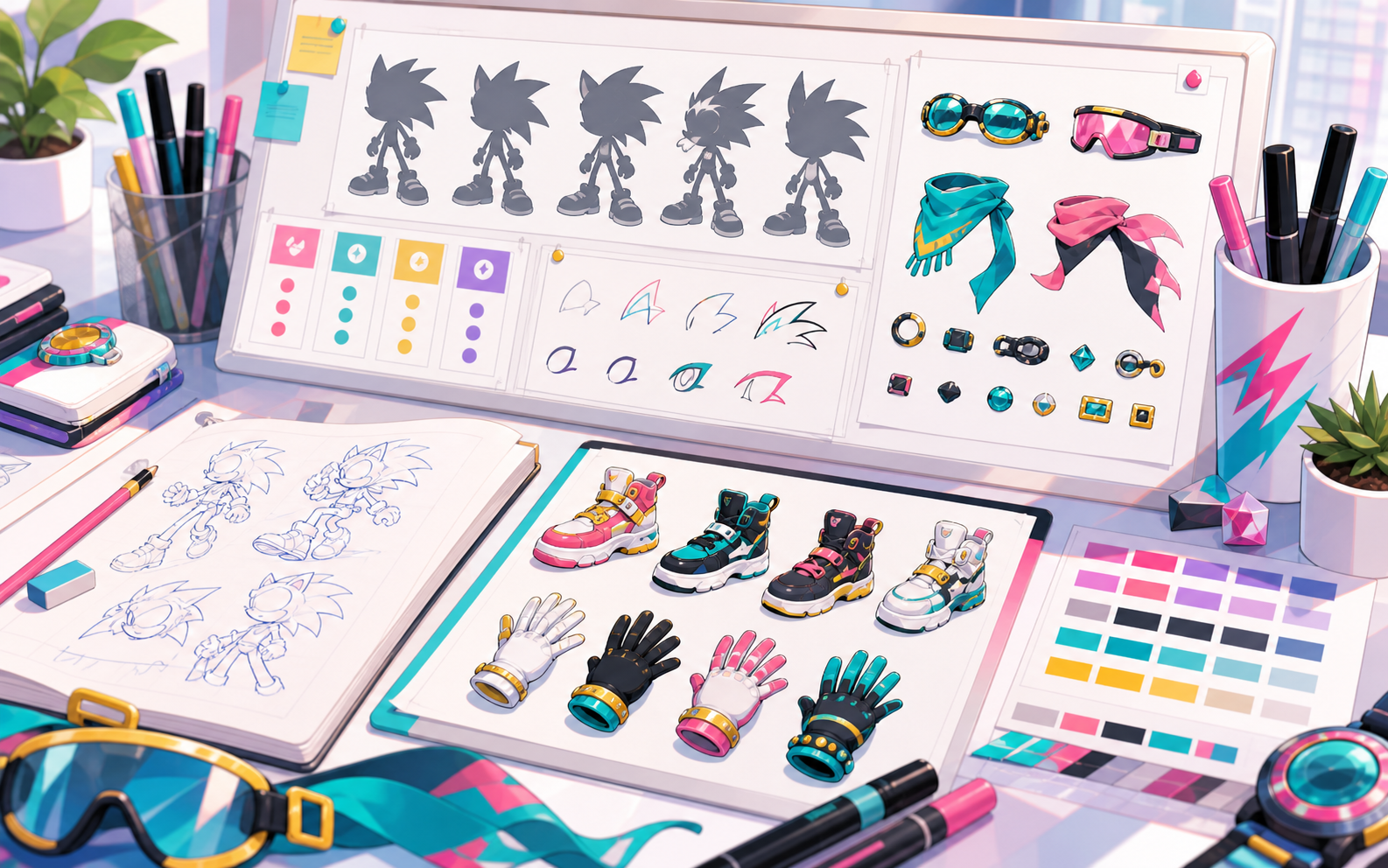
The tool can work with hedgehog, fox, cat, rabbit, wolf, robot, bird, lizard, or hybrid inspiration, but the species should be a starting point, not a copied official identity.
Results are clearer when the prompt uses two main colors and one accent. Too many neon colors can make gloves, shoes, eyes, and accessories fight for attention.
Accessories should explain the OC. Goggles can signal speed testing, a scarf can show wind motion, gem shoes can imply power, and a tool belt can frame an inventor role.
Give the character a distinct job, palette, accessory set, and personality. Those choices make the OC feel inspired by a speed-mascot genre while still belonging to your own story.
Use this Sonic OC Maker flow when you want repeatable results instead of one lucky generation.
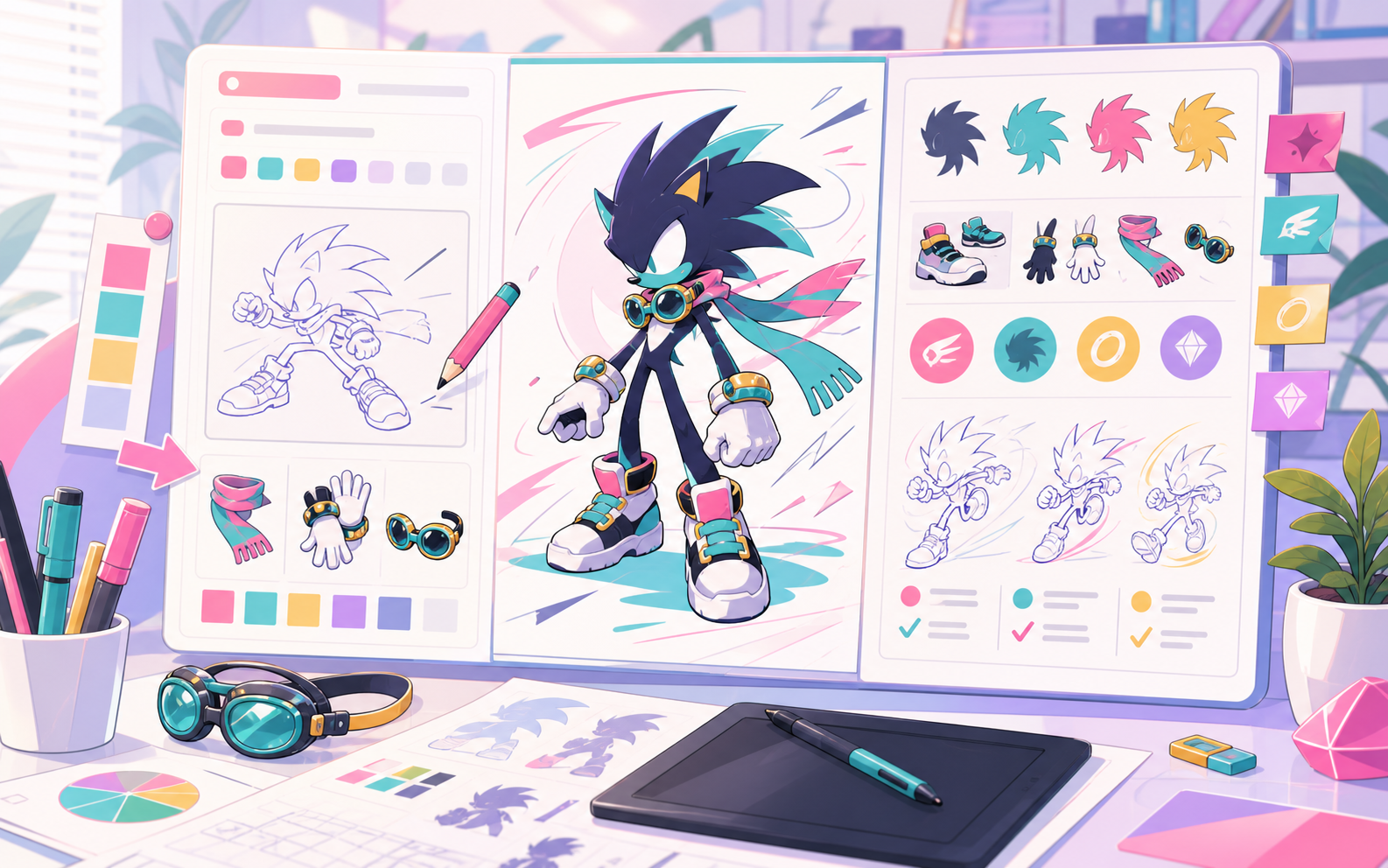
Step 1
A strong prompt needs a design spine: role, species inspiration, motion type, silhouette hook, color palette, footwear, glove detail, and one signature prop. This keeps the image model from guessing every important decision.
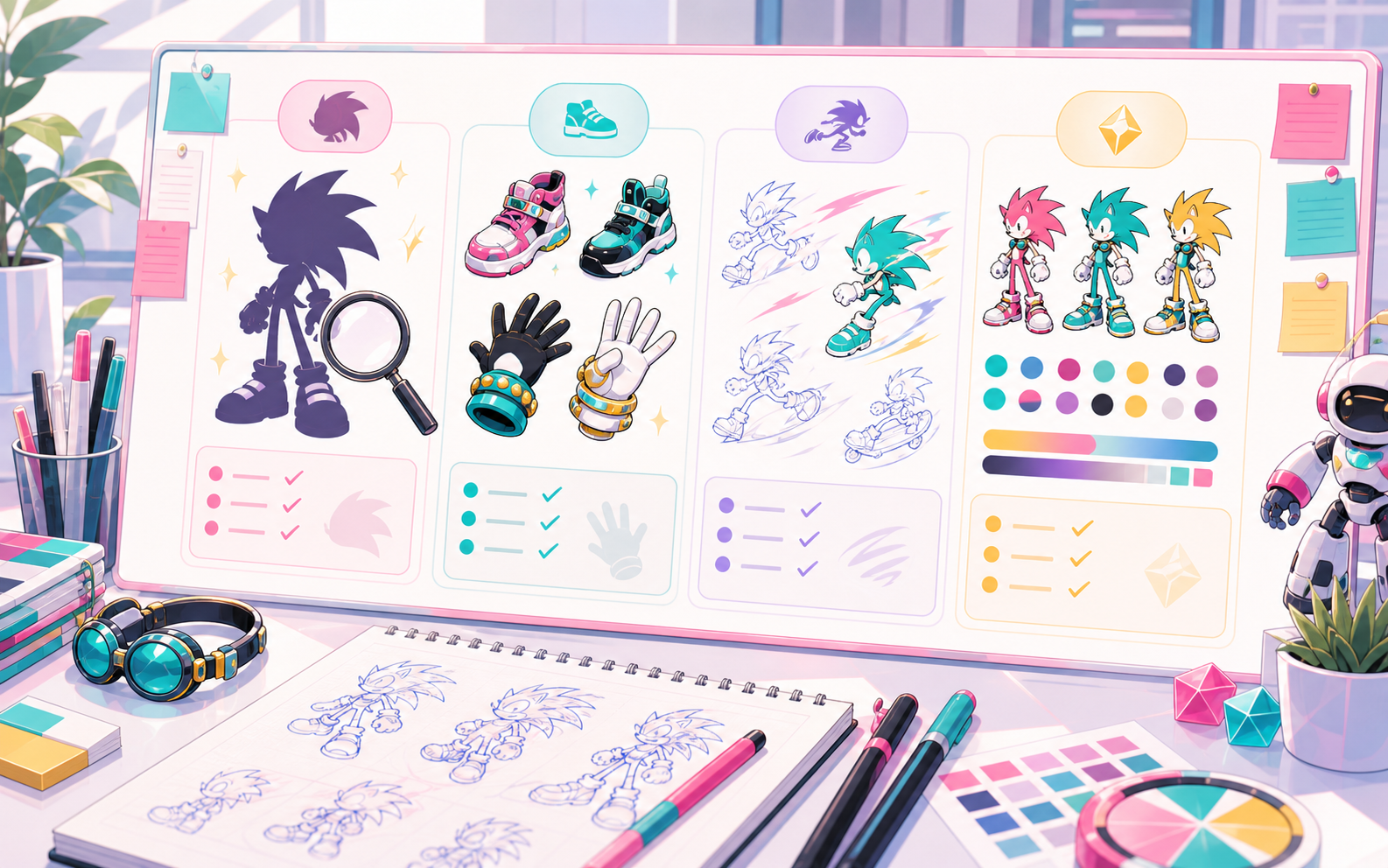
Step 2
After the image returns, check whether the outline is readable, the shoes and gloves support the speed theme, the palette is distinct, and the face is not drifting toward a known character.
Step 3
The best revisions are small: make the scarf shorter, change the accent from yellow to mint, turn skates into wing shoes, add a visor, or make the stance more confident. Small changes preserve the OC identity.
Use this checklist after each Sonic OC Maker result to decide whether the design is ready to keep or needs another pass.
The result should produce a character that still reads clearly when the image is small.
Prompts should make shoes or skates part of the OC identity, not random decoration.
Results work better when the body language suggests motion, confidence, or playful energy.
Designs are easier to reuse when the role, palette, accessories, and face rhythm point to a new OC identity.
Sonic OC Maker gives creators a guided, safer, and more repeatable path for original fan character concepts.
The generation path injects originality language at request time, so every generation is pushed toward a new character rather than an existing hero, sidekick, rival, or villain.
The prompt guidance emphasizes readable outlines, action poses, bright colors, gloves, shoes, expressive accessories, and a clean full-body character concept style.
The page helps creators learn what details matter: motion, shape, palette, personality, and one strong visual hook are more useful than a long list of random adjectives.
It uses the same MakeMyOC form and result behavior as the rest of the site, so creators can generate, compare, refine, and continue without learning a separate interface.
Use these Sonic OC Maker style directions as prompt starting points for different original character roles.

A Sonic OC Maker direction for electric motion, teal accents, track energy, and a scarf or shoe detail that reinforces speed.

A Sonic OC Maker direction for sunny colors, hover skates, forward motion, and a cheerful explorer personality.
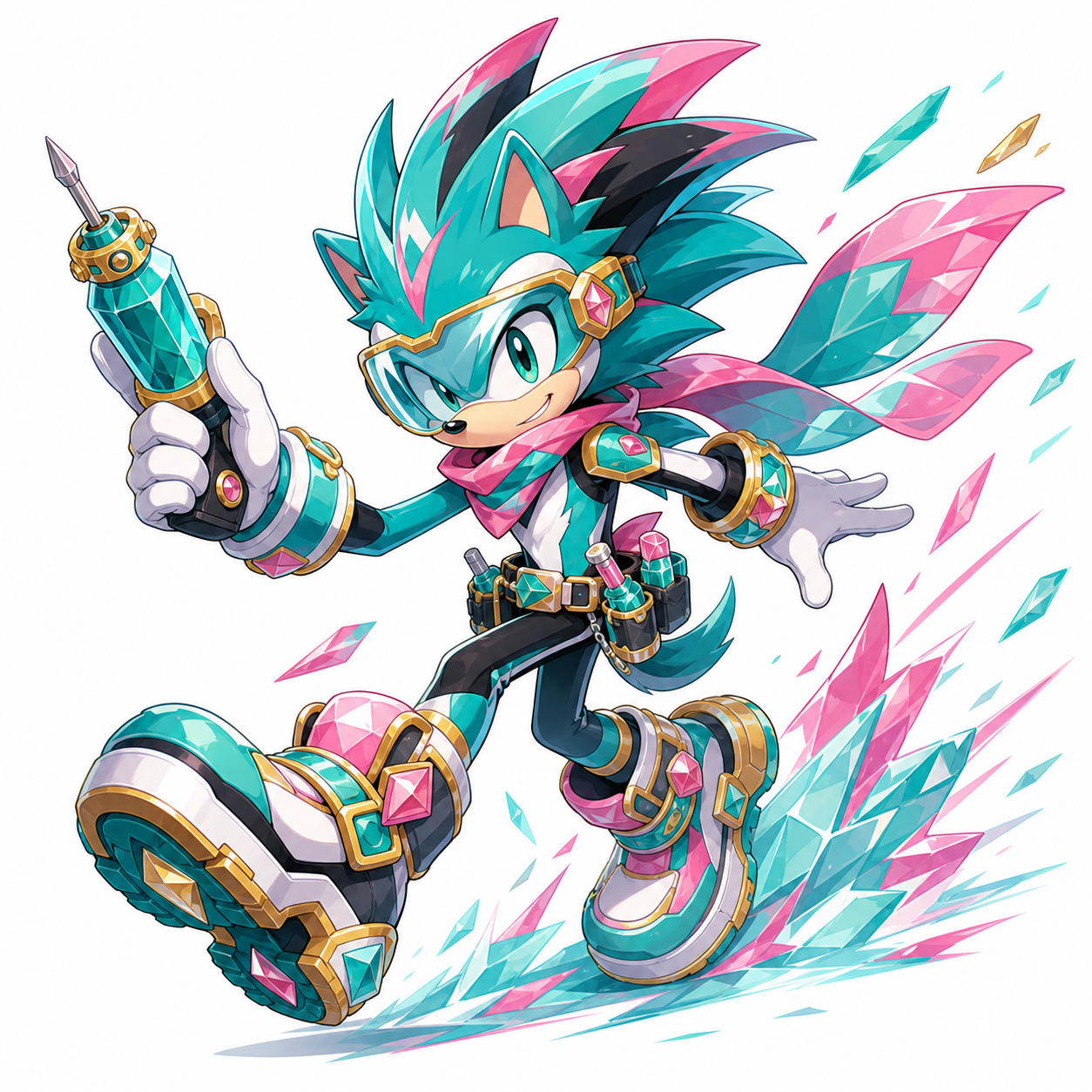
A Sonic OC Maker direction for goggles, tools, gem-powered shoes, and a smart tech mascot silhouette.
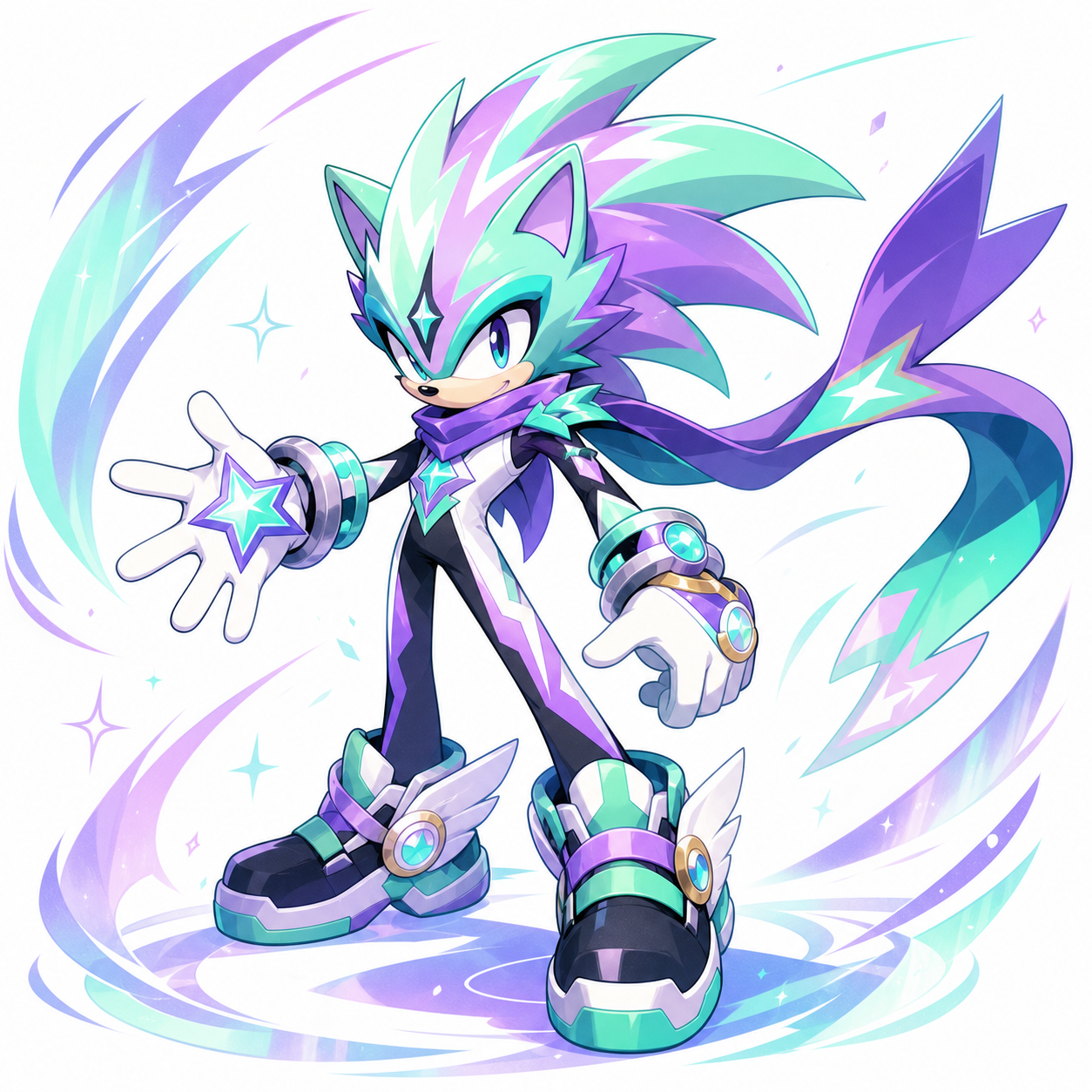
A Sonic OC Maker direction for guardian energy, mint-purple contrast, star gloves, and confident full-body presentation.
Use these three prompt anchors when a Sonic OC Maker result feels too generic or hard to judge.
Role, species inspiration, motion cue, and silhouette hook give the OC a clear foundation before you add smaller details.
Two main colors plus one accent usually keep shoes, gloves, eyes, and accessories readable without making the result noisy.
A scarf, visor, tool belt, gem shoes, wrist guard, or hover skate can make the OC memorable when it fits the role.
Originality is easier when you design from purpose, shape, and personality instead of only chasing a familiar color scheme.
Give the OC a job before you add decoration. “Meteor courier with wing shoes,” “crystal mechanic with gem-powered skates,” and “aurora guardian with star gloves” are stronger than a list of colors because each phrase explains why the character looks the way it does. Sonic OC Maker can then connect the pose, footwear, accessories, and expression into one readable idea.
Build originality through combinations. Pair an unusual species inspiration with a clear motion style, then add a palette that supports the role. A rabbit scout with spring-heel shoes, a lizard racer with heat-trail gloves, or a robot skater with a transparent visor can still feel Sonic-inspired while carrying a new identity.
After each Sonic OC Maker result, ask three practical questions: can I recognize the silhouette quickly, can I explain the character role from the design, and do the colors and accessories feel intentional? If the answer is not yet, keep the best part and adjust one weak part before generating again.
Terms like original high-speed mascot, clean silhouette, colorful footwear, motion pose, playful expression, and unique accessory help define the genre without locking the OC to one existing design.
A personal hook can be a courier badge, star gloves, aurora scarf, gem-powered shoes, repair pouch, or rival-racer grin. It gives the design something users can remember.
After each result, keep one strong idea and revise one weak idea instead of rewriting the entire prompt at once.
If Sonic OC Maker is not the right theme for your character, try another MakeMyOC generator with its own style guardrails.
These Sonic OC Maker answers focus on prompts, originality, result quality, and iteration.
Use Sonic OC Maker to turn a role, motion idea, color palette, and original accessory into a clearer first character concept.